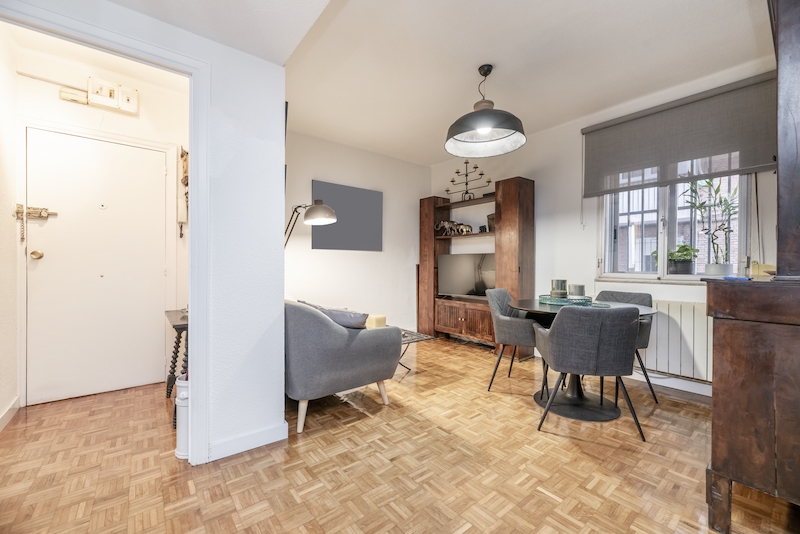
The strategy of buying the cheapest home in the best neighborhood has long been used by real estate investors seeking to benefit from location-driven appreciation.
Real estate investors often repeat a simple rule: never buy the most expensive home on the block when you can buy the cheapest home in the best neighborhood.
The reasoning is straightforward. Location remains one of the most powerful drivers of long-term property value. Even a smaller or less desirable property can benefit from the strength, amenities, and demand of the surrounding neighborhood.
In competitive housing markets such as New York City, this approach can provide a practical way to enter desirable areas while positioning yourself for long-term appreciation.
Buying the cheapest home in the best neighborhood can be a powerful real estate investment strategy. While these homes may come with compromises such as smaller layouts, awkward floor plans, or limited natural light, they often benefit from the long-term appreciation of desirable neighborhoods.
WHAT TO EXPECT WHEN BUYING THE CHEAPEST HOME IN THE BEST NEIGHBORHOOD
• Why investors often focus on buying the cheapest home in the best neighborhood
• The potential financial benefits of this strategy
• The challenges that often come with lower-priced properties
• Why studio apartments can offer a practical entry point for buyers
• How strategic renovations can increase long-term value
• How location influences real estate appreciation in cities like New York
Why Buying the Cheapest Home in the Best Neighborhood Can Be a Smart Strategy
Many experienced real estate investors focus on buying lower-priced homes in desirable areas because location is one of the most powerful drivers of long-term property value. Even properties with smaller layouts or cosmetic challenges can benefit from strong neighborhood demand, nearby amenities, and access to transportation.
Homes located in desirable neighborhoods often benefit from walkability, proximity to parks and restaurants, access to public transit, and well-regarded schools. These factors tend to support property values and attract consistent buyer demand over time.
By purchasing the cheapest home in the best neighborhood, buyers can gain exposure to those advantages while paying less upfront than they would for larger or fully renovated homes nearby.
Even if the property itself has limitations, the strength of the surrounding neighborhood can help support long-term appreciation.
BENEFITS OF BUYING THE CHEAPEST HOME IN THE BEST NEIGHBORHOOD
Many investors believe that buying the cheapest home in the best neighborhood allows them to benefit from the long-term strength of desirable locations.
Affordability and Market Entry
Buying the cheapest home in a desirable neighborhood allows buyers to enter competitive markets at a lower price point. In cities with high housing costs, this strategy may make the difference between renting indefinitely and owning property.
Potential for Long-Term Appreciation
Properties located in strong neighborhoods often benefit from broader market appreciation. Even smaller homes can rise in value as the surrounding neighborhood grows more desirable.
Access to Walkable Neighborhoods and Amenities
Many mixed-price neighborhoods offer strong walkability, public transit access, restaurants, parks, and local schools. These amenities can enhance both quality of life and property demand.
For example, the Bronx neighborhood of Van Nest has a Walk Score of 90, allowing residents to complete many daily errands without a car while still offering relatively affordable housing options compared with other parts of New York City.
CHALLENGES OF BUYING THE CHEAPEST HOME
While this strategy can be effective, lower-priced homes often come with trade-offs.
Smaller Size or Awkward Layouts
Cheaper homes may have less square footage, unusual layouts, or limited storage. Studio apartments, in particular, may lack clearly defined living spaces.
Limited Natural Light or Views
Lower-priced units may face interior courtyards, neighboring buildings, or lower floors that receive less natural light.
Renovation Costs
Many affordable homes require updates. Kitchens, bathrooms, lighting, and flooring may need improvements to make the property more appealing to future buyers.
However, these limitations can also create opportunities for investors willing to make strategic upgrades.
WHY STUDIO APARTMENTS CAN BE A SMART ENTRY POINT
Studio apartments are often among the most affordable properties in high-demand neighborhoods, making them a practical option for buyers looking to purchase the cheapest home in the best neighborhood.
Because studios typically offer less square footage than one-bedroom or larger apartments, they are often priced lower. This can allow buyers to enter desirable locations that might otherwise be out of reach.
In dense urban markets such as New York City or San Francisco, many buyers and renters prioritize location over space. As a result, well-located studio apartments can remain in strong demand despite their smaller size.
For investors and first-time buyers alike, this can make studio apartments a practical entry point into competitive housing markets while still benefiting from the long-term advantages of a desirable neighborhood.
HOW TO INCREASE VALUE AFTER PURCHASE
Buyers who purchase lower-priced homes often look for ways to enhance the property’s appeal over time.
Strategic Renovations
Smart renovations can significantly improve both usability and resale value. Updated kitchens, modern lighting, improved storage, and contemporary finishes can transform a modest property into a highly attractive home.
Maximizing Light and Space
In smaller apartments, thoughtful design matters. Mirrors, lighter paint colors, improved lighting, and multifunctional furniture can make a compact space feel larger and more inviting.
Highlighting Location Advantages
When marketing a property, location can be one of its strongest selling points. Access to public transportation, restaurants, parks, and schools often matters more to buyers than square footage alone.
HOW THIS STRATEGY WORKS IN NEW YORK CITY
In New York City, location can influence property values even more dramatically than in many other housing markets.
Block-by-block differences in transit access, neighborhood reputation, school zones, and amenities can lead to significant variations in property values.
Because housing supply is limited and demand remains strong, buyers often compete for properties in desirable neighborhoods. Purchasing the most affordable property within one of these neighborhoods can provide a way to participate in the area’s long-term appreciation.
This is why many real estate investors prioritize location first, even if the property itself requires improvements.
FINAL THOUGHTS
Buying the cheapest home in the best neighborhood can provide a lower entry price while still capturing the long-term appreciation of a desirable location. This approach allows buyers and investors to benefit from strong neighborhood demand even when the property itself requires improvements.
Although these homes may require renovations or creative design solutions, their location often provides long-term advantages that outweigh the initial compromises.
For buyers entering competitive housing markets, focusing on location rather than perfection can open the door to opportunities that might otherwise seem out of reach.
With careful planning, thoughtful improvements, and an understanding of neighborhood dynamics, even a modest property can become a valuable long-term investment.
For many investors, buying the cheapest home in the best neighborhood remains one of the most practical strategies for building long-term real estate value.
Sources:
FIRST TIME HOME BUYER TIPS 2026: WHAT NEW BUYERS SHOULD KNOW BEFORE BUYING A HOME
Why You Should Never Buy the Best House in the Neighborhood
When Buying Cheap Real Estate Is A Good Idea (And When It’s Not)
Buying The Best House In The Neighborhood: Pros and Cons
Why You Should Buy the Cheapest Home on the Best Block
Where to Live in New York City (Locals Rank the 15 Best Neighborhoods)