Highlights
-
City of Yes (Dec 2024): A sweeping zoning reform projected to unlock ~82,000 units over 15 years, modernizing rules citywide.
-
Midtown South Mixed-Use Plan (Aug 2025): Opens 42+ blocks for residential conversions and new construction, targeting ~10,000 homes.
-
Public Safety & Bail Reform: A flashpoint often tied to housing debates, but driven by broader systemic factors beyond zoning.
-
Election 2025: Mayoral candidates split on supply targets, rent freezes, and financing tools — decisions that will shape affordability for decades.
Why This Moment Is Different
New York’s housing future is being reshaped by City of Yes NYC housing reforms and the Midtown South rezoning, two initiatives that could unlock tens of thousands of new units but also face political and community hurdles.
For the first time since 1961, New York City has enacted a sweeping citywide zoning reform. On December 5, 2024, the City Council approved City of Yes: Zoning for Housing Opportunity, a text amendment designed to make it easier to build housing across all five boroughs.
This reform isn’t just about new towers — it’s about enabling incremental growth in every neighborhood. By updating outdated rules on parking, bulk, and density, City of Yes aims to unlock ~82,000 units over 15 years, according to Council estimates.
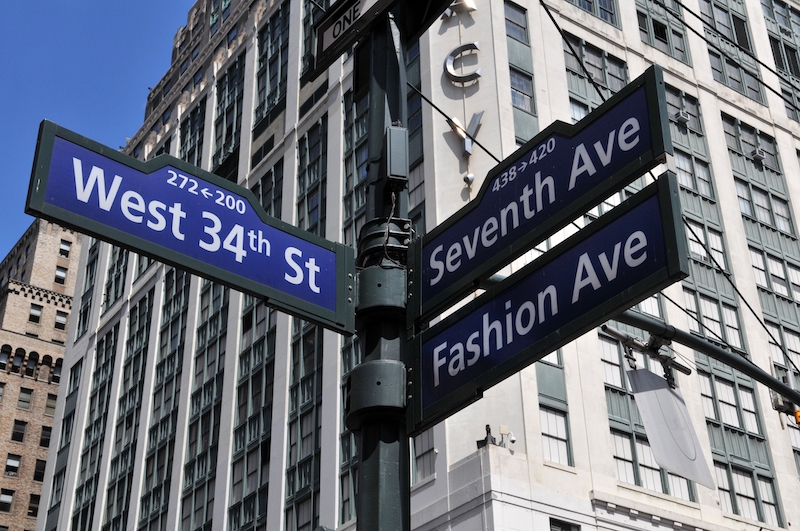
At the same time, the city advanced one of its most ambitious rezonings in decades: the Midtown South Mixed-Use Plan, approved on August 14, 2025. For the first time, this 42-block commercial and manufacturing district will allow residential conversions and new housing, with the potential to create nearly 10,000 new homes in the heart of Manhattan.
Together, these two reforms reflect a structural pivot in how NYC produces housing — away from siloed mega-projects, toward citywide incrementalism and adaptive reuse.
City of Yes: What Actually Changed
The core goal is simple: make housing legal again in more neighborhoods.
Key Updates
-
Parking requirements eased → lowers construction costs and unlocks small, underbuilt parcels.
-
Residential bulk & height modernized → aligns buildings with contemporary design standards.
-
Affordability tools expanded → allows accessory dwelling units (ADUs) and small-scale additions where once prohibited.
Transition Rules
Projects filed before Dec 5, 2024 may proceed under old rules if approved by the Department of Buildings by Dec 5, 2025 — a crucial window for developers balancing feasibility studies and entitlements.
Why It Matters
-
Small lots once infeasible can now host new housing.
-
Lower carrying and construction costs improve project economics.
-
More distributed housing helps reduce rent pressure across multiple neighborhoods, not just in rezoned hotspots.
This brings New York closer to reforms seen in other U.S. cities like Minneapolis, which ended single-family zoning in 2018, and Portland, which legalized duplexes and fourplexes in most neighborhoods.
While the reforms are significant, they’re also modest compared to NYC’s overall housing gap. The City Council projects ~82,000 units over 15 years, yet experts estimate the city needs more than 500,000 new homes by 2030 to keep pace with demand. Supporters argue that incremental growth across all boroughs is the only politically viable way forward, while critics worry that without deeper affordability requirements, much of the new housing could still be out of reach for working-class New Yorkers.
Midtown South Adaptive Reuse: From Office Towers to Apartments
What Passed
On Aug 14, 2025, the Council approved the Midtown South Mixed-Use Plan following City Planning Commission review. The rezoning legalizes residential development across a corridor long zoned for manufacturing and offices, with city estimates pointing to ~10,000 homes created through both conversions and new construction.
Why It’s a Big Deal
-
Location: Midtown South is one of NYC’s densest job centers, positioned near Penn Station, Herald Square, and Madison Square Park. Housing here reduces commute times and supports a 24/7 district.
-
Reuse potential: Many aging Class B and C office buildings, hollowed out by post-pandemic vacancies, can now be converted to apartments. Conversions are often faster and cheaper than ground-up builds.
-
Affordability: With Mandatory Inclusionary Housing (MIH), some share of new units will be income-restricted, though critics argue AMI thresholds don’t match neighborhood incomes.
This rezoning mirrors transformations in Downtown Brooklyn after 2004, which turned an office-heavy zone into one of the city’s fastest-growing residential neighborhoods.
The Midtown South plan is especially significant because it’s the first time this corridor has been rezoned for housing in decades. Historically, these 42 blocks were protected as manufacturing districts even as jobs and residents left, leaving behind aging Class B and C office stock. By opening the door to as many as 10,000 new homes, the city hopes to replicate the success of Downtown Brooklyn’s rezoning, but at a moment when Manhattan’s office vacancy rate is already near 20%. Critics warn that without stronger affordability mandates, much of the new housing could cater to higher-income renters, while supporters argue that any new supply in such a transit-rich district helps relieve citywide pressure.
Commercial-to-Residential Conversions
Conversions are now central to NYC’s housing strategy.
-
City of Yes removes regulatory barriers citywide, smoothing out bulk and parking rules that once blocked conversions.
-
Midtown South rezoning directly legalizes housing where it was banned, paving the way for conversions at scale.
With Manhattan office vacancy hovering near 20%, conversions aren’t just theoretical — projects like 25 Water Street downtown are already underway, converting outdated office towers into thousands of apartments.
Conversions both add housing faster and revitalize corridors, creating foot traffic, retail demand, and safer streets after hours.
Yet the success of these conversions will also depend on financing tools. In Albany, lawmakers have debated successors to the expired 421-a tax abatement, with proposals like 485-x or 467-m aimed at encouraging office-to-residential conversions. Without such incentives, many developers argue that the economics of gut-renovating aging towers simply don’t work, especially when paired with Mandatory Inclusionary Housing requirements. Supporters of the incentives stress that they can unlock thousands of apartments in a short timeframe, while critics counter that abatements shift too much cost to taxpayers unless affordability requirements are strengthened.
Public Safety, Bail Reform & Housing: The Policy Crossroads
Housing policy in NYC doesn’t exist in a vacuum — it’s often debated in parallel with public safety.
New York’s bail reform law, enacted under Governor Andrew Cuomo in 2019 and revised multiple times since, remains a lightning rod. Critics tie it to crime spikes, but the picture is more complex:
-
Amendments have added numerous exceptions and restored judicial discretion.
-
Jail populations have shifted due to admissions, court backlogs, and broader systemic factors.
-
Crime trends reflect multiple drivers, from pandemic disruption to police staffing shortages, not just bail statutes.
Why it matters: public perceptions of safety often shape support or opposition to rezonings and housing reforms. If residents don’t feel secure, they are less likely to back policies that bring density, even if the data shows housing and safety are distinct policy levers.
Election 2025: Housing on the Ballot
The 2025 mayoral race will determine how aggressively these reforms are implemented.
Candidates agree on the need for more housing but diverge on:
-
Targets: How many units, and on what timeline.
-
Location: Should new supply concentrate near transit hubs, in affluent neighborhoods, or only in commercial corridors?
-
Financing: Tax abatements (421-a successor), bonds, federal and state subsidies.
-
Rent policy: Some candidates propose freezing stabilized rents, while others oppose interfering with regulated increases.
What happens next could be decisive: if leadership changes, the next mayor will decide whether NYC’s housing reforms move forward with momentum — or grind to a halt under political resistance.
What It Means for New Yorkers
-
Renters: More housing choice is coming, with some affordable units set aside under Mandatory Inclusionary Housing (MIH). But affordability will depend on whether Area Median Income (AMI) thresholds match real neighborhood incomes.
-
Owners: City of Yes opens opportunities to expand or redevelop sites once blocked by outdated rules.
-
Investors & Developers: Midtown South conversions offer the clearest adaptive reuse opportunity in decades, but community resistance and financing uncertainty remain hurdles.
Frequently Asked Questions
Q: How soon can Midtown South conversions begin?
A: With the rezoning approved in August 2025, developers can begin filing projects with the Department of Buildings (DOB). In practice, though, most conversions won’t deliver apartments overnight. Timelines depend on securing financing, negotiating with lenders, and designing projects that meet building code requirements for light, air, and egress. Some properties could move quickly — especially aging office towers that already have potential layouts suited for residential use — while others may take years to redevelop. Large-scale conversions often require tax incentives or subsidies to pencil out, so the pace of filings will also hinge on whether Albany finalizes programs like a 421-a replacement or new conversion-specific abatements.
Q: Will City of Yes lower rents immediately?
A: No. City of Yes is projected to add roughly 82,000 units over 15 years, but that pace of construction means the effect will be gradual. New supply can help moderate rent growth over time, especially if spread across all boroughs, but rents won’t suddenly drop in the short term. Costs are still influenced by interest rates, construction timelines, and demand pressures, so the real benefit will come from slowing the upward trend rather than delivering instant relief.
Q: Did bail reform help or hurt New York?
A: The 2019 bail reform law, signed by Governor Andrew Cuomo, helped by reducing unnecessary pretrial detention and addressing inequities in the system. But it was revised several times since to give judges more discretion after critics pointed to high-profile reoffenses, and broader issues like court delays and support services still went unaddressed.
Q: What’s at stake in the 2025 election?
A: The 2025 mayoral race will determine not just whether housing reforms move forward, but how aggressively. Candidates are divided on unit targets, financing tools such as tax abatements and subsidies, and whether to freeze stabilized rents. The outcome will shape how quickly City of Yes and the Midtown South rezoning translate into actual housing and and whether affordability measures match neighborhood realities or stall under political pushback.
📌 New York City is at a turning point. With the City of Yes, the Midtown South rezoning, and the growing wave of commercial-to-residential conversions, the city is finally tackling its housing shortage in a way that blends incremental neighborhood growth with large-scale adaptive reuse. But whether these reforms deliver on their promise will depend on politics, financing, and community trust. Supporters see a path to tens of thousands of new homes and stronger affordability protections, while skeptics warn that without deeper reforms, the gains may bypass the very New Yorkers most in need. As the 2025 election approaches, the question isn’t just how many units get built — it’s whether the city can build in a way that keeps its neighborhoods livable, equitable, and resilient for decades to come.