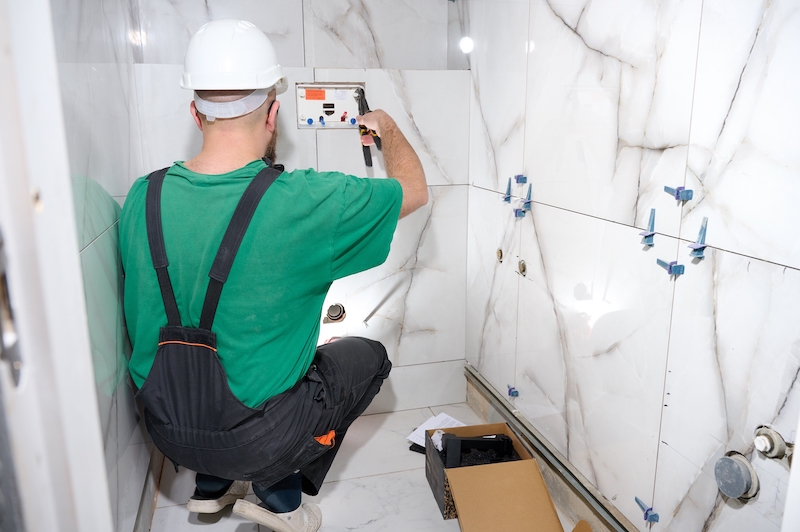
Selling in New York City doesn’t always require a gut renovation. Often, small, targeted repairs do the heavy lifting: they calm buyer fears, photograph beautifully, and help your home feel “move-in ready.” Below is a practical NYC-centric guide—what to do, why it works, and how to keep deals smooth all the way to closing.
Why small fixes matter in NYC
NYC buyers are savvy and cost-sensitive. When they see chipped paint, squeaky hinges, or dim lighting, they start wondering what else might be wrong—and they price in that uncertainty. By handling quick fixes up front, you project care and reduce the mental “repair discount” buyers often apply.
-
Agents consistently recommend paint and small repairs. The National Association of REALTORS® (NAR) finds agents frequently advise sellers to repaint and handle minor fixes because they improve appeal and perceived condition.
Source: NAR Remodeling Impact Report → https://www.nar.realtor/research-and-statistics/research-reports/remodeling-impact-report
-
Online first impressions drive showings. StreetEasy’s prep content stresses decluttering, light, and simple visual upgrades that make listings stand out in photos and tours.
Source: StreetEasy (Seller tips) → https://streeteasy.com/blog/
“Small, inspection-proof fixes turn ‘maybe’ buyers into confident bidders.”
High-ROI quick fixes (with NYC context)
1) Fresh, neutral paint where it counts
A unified, light palette in living areas and halls makes apartments feel larger and brighter; accent or deeper tones can work strategically in bedrooms or offices. Fresh paint photographs crisply and reads as “well maintained.”
Helpful references: NAR report (above) • Zillow color research overview → https://www.zillow.com/research/
2) The kitchen micro-refresh
Skip the gut reno. Swap dated cabinet hardware, install a modern faucet, tighten/align doors and drawers, and improve task + ambient lighting. In NYC’s smaller kitchens, these changes read as “updated” in photos and showings.
Benchmark data: Cost vs. Value Report (NYC region) → https://www.remodeling.hw.net/cost-vs-value/
3) Entry experience and first-touch points
For townhouses and 1–3 family homes, a solid, good-looking entry (painted or replaced door, smooth self-close, quiet hinges, fresh hardware) telegraphs security and care. For apartments, ensure the corridor-facing door finish and fire rating comply with building rules (check your house rules/alteration agreement).
Reference: NYC co-op/condo alteration basics (board rules vary) • General guidance via REBNY/management handbooks.
4) Bright, even lighting (LEDs)
Replace mismatched bulbs, add brighter-but-comfortable LEDs (2700–3500K), and update a few tired fixtures. Brighter rooms look cleaner and show better—online and in person.
Source: U.S. Department of Energy (LED basics) → https://www.energy.gov/energysaver/led-lighting
5) Bathrooms: recaulk, regrout, refresh
Crisp silicone caulk at tubs/sinks, clean grout lines, and simple fixture swaps (mirror, showerhead, vanity light) instantly reduce “moisture worry.” These are inexpensive and highly visible wins.
Helpful consumer guides: Better Homes & Gardens / The Spruce (maintenance refreshers).
6) Walls, woodwork, doors, closets
Patch nail pops, touch up trim/baseboards, silence squeaks, adjust latches and sliders. Smooth-operating doors and tidy finishes signal a home that’s been cared for.
Repairs that build buyer trust (and help inspections)
Safety & code-adjacent quick wins
-
GFCI protection in kitchens, baths, and other wet areas (licensed electrician recommended). Buyers and inspectors expect it.
Overview: NEC consumer summaries (e.g., Eaton) → https://www.eaton.com/us/en-us/support/technical-documentation/nec-code-updates.html
-
Smoke and CO alarms installed and working (NYC requires them; sealed 10-year units are a plus).
NYC info: FDNY/NYC.gov → https://www.nyc.gov/site/fdny/codes/where-to-install-smoke-alarms.page
-
Window guards when applicable (required in most multi-unit buildings when a child under 11 resides, or upon request).
NYC DOHMH → https://www.nyc.gov/site/doh/health/health-topics/window-guards.page
Paperwork confidence (NYC-specific)
Buyer attorneys routinely check:
-
HPD violations (peeling paint, smoke/CO issues, etc.). Clear simple items before listing.
HPD Online → https://www.nyc.gov/site/hpd/services-and-information/landlord-tenant-responsibilities.page
-
DOB permits/complaints (close out old permits, correct minor items).
DOB NOW/BIS portals → https://www.nyc.gov/site/buildings/index.page
Showing you’ve handled the “little stuff” reduces surprise credits, re-inspections, and contract wobble.
Co-ops & condos: small work, big rules
Even minor work can need alteration approval (licensed/insured contractors, hour restrictions, materials specs; corridor doors may need specific fire rating/finish). Proving that your small fixes followed the rules builds buyer and board confidence. Ask your managing agent for the alteration package before you start.
Micro-budgets and timelines (realistic, NYC-friendly)
Under $150: bulbs, plates, cabinet pulls, hinge lube, patch/paint touch-ups, door stop replacements.
$150–$600: bathroom caulk/grout refresh, 1–2 new light fixtures, basic faucet swap (licensed plumber in many buildings), closet roller/track fixes.
$600–$2,000: targeted room repaint, kitchen micro-refresh (hardware + faucet + a couple of lights), minor floor buff/spot repair.
2-week plan:
-
Week 1: agent walkthrough, punch list, order materials; schedule painter/handyman/electrician; pull HPD/DOB records and resolve quick items.
-
Week 2: paint + lighting + bath refresh; finish safety items (GFCI, alarms); deep clean + declutter; pro photos/floor plan/video for digital curb appeal.
StreetEasy photo tips → https://streeteasy.com/blog/
What not to do before listing
-
Don’t over-renovate. Full kitchen/bath guts rarely deliver proportional ROI at sale unless your comps demand it. Let the next owner personalize—your job is to remove doubts and maximize broad appeal.
-
Don’t ignore building rules. In co-ops/condos, unapproved work creates closing risk. Get alteration approval where needed.
FAQs
Which small fix usually pays best?
Fresh, neutral paint plus lighting upgrades. Those two changes transform photos and in-person feel with modest cost.
Sources: NAR Remodeling Impact Report; DOE on LED benefits.
Do I really need a pre-listing inspection?
Not required, but many NYC agents like it for older properties. It can surface cheap fixes now rather than costly credits later.
General perspective: NAR articles on pre-listing inspections → https://www.nar.realtor/
How do I check for violations/permits?
Use HPD Online (violations) and DOB (permits/complaints). Clear simple items pre-listing to reduce attorney objections.
HPD → https://www.nyc.gov/site/hpd • DOB → https://www.nyc.gov/site/buildings
Townhouse vs. apartment—what changes?
Townhouses: curb/entry improvements and basic safety items stand out. Apartments: emphasize compliant small fixes (lighting, paint, bath refresh) and building-rule adherence.
Sources & further reading
-
NAR, Remodeling Impact Report → https://www.nar.realtor/research-and-statistics/research-reports/remodeling-impact-report
-
Zonda/Remodeling Magazine, Cost vs. Value Report (NYC region) → https://www.remodeling.hw.net/cost-vs-value/
-
StreetEasy (seller prep & photo tips) → https://streeteasy.com/blog/
-
U.S. Department of Energy, LED Lighting → https://www.energy.gov/energysaver/led-lighting
-
NYC HPD (violations & responsibilities) → https://www.nyc.gov/site/hpd
-
NYC DOB (permits/complaints) → https://www.nyc.gov/site/buildings
-
NYC DOHMH, Window Guards → https://www.nyc.gov/site/doh/health/health-topics/window-guards.page
-
FDNY smoke alarm guidance → https://www.nyc.gov/site/fdny/codes/where-to-install-smoke-alarms.page
-
NEC consumer summaries (GFCI overview) → https://www.eaton.com/us/en-us/support/technical-documentation/nec-code-updates.html=
-
Small Changes, Big Impact: Quick NYC Apartment Upgrades → https://blog.themobilebroker.net/2025/01/11/small-changes-big-impact-quick-nyc-apartment-upgrades/
📩Want a custom two-week punch list for your address? I’ll review HPD/DOB records, your building’s alteration rules, and your floor plan to prioritize small, high-impact fixes that boost buyer confidence—and your bottom line.