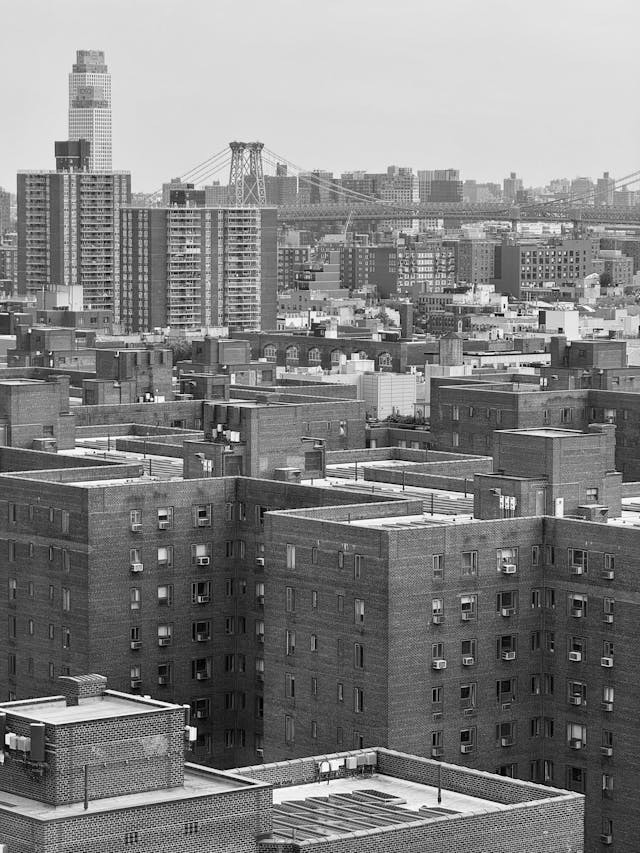
🌆 New York’s Good Cause Eviction law, effective April 2024, gives many tenants in previously unregulated apartments new protections against steep rent hikes and eviction without a valid reason. It also adds a new layer of complexity and cost pressure for small landlords and market-rate owners who are already dealing with rising expenses.
What Is Good Cause Eviction?
New York State’s Good Cause Eviction Law (Article 6-A of the Real Property Law) took effect in April 2024. It applies automatically in New York City and in other municipalities that choose to opt in.
At a high level, the law does three big things:
1. Limits “no-cause” evictions for many tenants in market-rate housing.
2. Caps rent increases beyond a certain threshold unless the landlord can prove the increase is reasonable in court.
3. Requires standardized notices so tenants know whether their unit is covered or exempt.
For tenants in covered units, the law is meant to reduce surprise rent spikes and arbitrary non-renewals. For landlords, it effectively brings a form of light rent control into parts of the market that were previously unregulated.
Who Is Covered and Who Is Exempt?
According to guidance from the New York Attorney General and New York City housing agencies, Good Cause Eviction generally applies to unregulated market rate apartments that are not already rent stabilized or subsidized.
Commonly covered units include:
-
Market rate rentals in larger multifamily buildings
-
Some smaller buildings where no exemption applies
-
Tenants without prior regulatory protection who fall within rent and income thresholds
Good Cause does not apply only to large buildings. The law also applies if a landlord owns ten or more residential units anywhere in New York State, even if each individual building has fewer than ten apartments. This means a landlord who owns multiple small buildings across different locations could still be subject to Good Cause requirements if their total residential ownership meets that threshold.
Common exemptions:
-
Owner occupied one to four family homes where the owner lives in the building
-
Newer buildings constructed after 2019, subject to phase in rules
-
High rent and high income units that exceed statutory thresholds
-
Apartments already under rent stabilization or subsidized housing programs
Landlords are required to provide tenants with a Good Cause notice that clearly states whether the apartment is covered or exempt and on what basis.
How Are Rent Increases Limited and What Notice Is Required?
Good Cause Eviction does not freeze rents, but it sets clear limits on what is considered a reasonable increase.
In New York City, a rent increase is presumed unreasonable if it exceeds the lower of
• 10%, or
• 5% plus the annual change in the Consumer Price Index
For 2024, that threshold came to approximately 8.82%. If a landlord seeks to raise the rent above this level, they must be prepared to justify the increase in housing court by showing higher operating costs such as property taxes, insurance, utilities, maintenance expenses, or approved capital improvements. Without sufficient proof, an eviction based solely on a tenant’s refusal to accept the higher rent may be denied.
Separate from the rent cap itself, landlords must also comply with New York’s rent increase notice rules. For most market-rate apartments, landlords are required to provide
• at least 30 days’ notice for tenants in occupancy less than one year
• at least 60 days’ notice for tenants in occupancy one to two years
• at least 90 days’ notice for tenants in occupancy longer than two years
Good Cause adds another layer by limiting when and how eviction can occur after a tenant rejects an excessive increase. Together, these rules mean rent hikes must be both properly noticed and legally justified.
What Counts as “Good Cause” for Eviction?
Under the law, landlords must show good cause to refuse renewal or seek eviction. Examples include:
• Chronic non-payment of rent
• Significant lease violations or illegal use of the apartment
• Substantial damage to the unit or building
• Owner’s bona fide need for the unit (in limited circumstances)
• Reasonable refusal by tenant to accept a justified rent increase
This shifts the default: instead of non-renewal being presumed legal unless challenged, tenants in covered units now begin with stronger rights to stay.
How Good Cause Affects Market-Rate Rentals
For Tenants
Pros:
• Greater protection from sharp rent hikes
• More stability for long-term renters
• Reduced fear of “no-cause” non-renewals
Research shows that eviction and forced moves are linked to worse health, instability, and lower earnings, so stabilizing tenancies can have broad social benefits.
Tradeoffs:
• Some landlords may be more selective when screening applicants
• Fewer “discount” move-in deals if owners fear they cannot later adjust rents
• Possible tightening of rental supply if owners exit the long-term rental market
For Landlords and Small Owners
Owners of market-rate buildings are facing rising costs across the board:
• Insurance premiums that have jumped 50–150% in recent years for many buildings
• Increases in maintenance, utilities, and compliance costs
• New obligations tied to Local Law 97, building safety, and energy performance
Good Cause makes it harder to adjust rents quickly in response, particularly for small landlords who do not have scale to spread risk. Analysts and industry groups warn that some owners may respond by:
• Tightening screening criteria
• Converting rentals to other uses (condo, co-op, or owner-occupied)
• Deferring maintenance if revenue cannot keep up with costs
The risk is a two-tiered market: stronger protections for covered tenants but increasing financial strain on older, smaller, or more regulated properties.
Key Tensions to Watch
1. Tenant stability vs. building upkeep
• Tenants gain security, but landlords cannot always raise rents in line with insurance, utilities, and capital needs.
2. Policy intent vs. unintended consequences
• The law is meant to curb extreme rent hikes and prevent displacement, but experts worry some owners will reduce investment or leave the rental market.
3. Small landlords vs. large operators
• Owners with one or two buildings may be hit harder than institutional players that can absorb shocks.
What Tenants Should Do Now
• Ask: Is my unit covered or exempt under Good Cause?
• Keep records: Save leases, rent receipts, and communications with your landlord.
• Know the cap: Watch annual guidance on the allowed increase percentage.
• Get help: Legal services and tenant groups offer free advice and representation if you are facing eviction under the new law.
What Landlords and Small Owners Should Do
• Confirm which units are covered or exempt and update lease and notice language accordingly.
• Model your building’s finances under different rent scenarios, including capped increases.
• Document rising costs (insurance, utilities, taxes, repairs) in case you need to justify a larger increase.
• Explore assistance: energy and retrofit programs, insurance pooling efforts, or refinancing options that can help relieve pressure.
Sources:
New York State’s Good Cause Eviction Law
Navigating New York’s Good Cause Eviction Law: Understanding The Impact And Ensuring Compliance
Good Cause Eviction: What Tenants Should Know
New York State Good Cause Eviction Law
Good cause eviction law notice
What is the new Good Cause Eviction Law?
Good Cause Eviction: What Tenants Should Know
In the most expensive city in the country, evictions remain lower than before COVID-19′
Rising costs from climate change is driving insurers out of New York
The decade of regulation: How New York City’s housing policies fueled rental inflation
Navigating the Tradeoffs of Good Cause Eviction