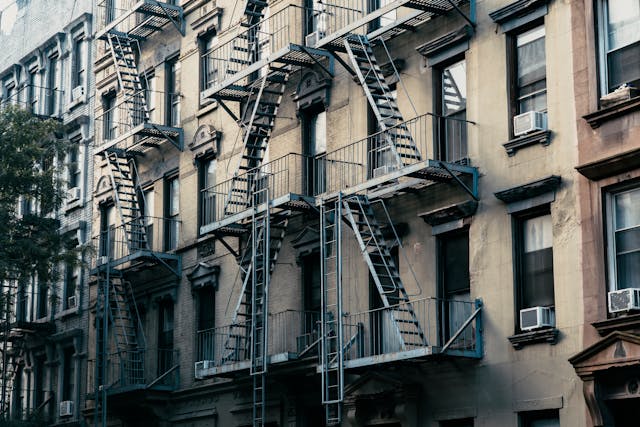
New York City has long regulated its buildings more closely than most cities. In recent years, those regulations have expanded further, addressing not only structural safety, but also energy use, indoor comfort, environmental impact, and public health.
For property owners, the most common question is not whether these rules are important, but which rules apply to which buildings. Some requirements affect only large properties. Others apply to small multifamily buildings, mixed-use properties, or even one- to four-family homes.
This guide explains the most significant recent and active building regulations, outlines who they apply to, and provides context so owners can understand how these rules fit together.
Why NYC building rules feel more complex today
In the past, compliance was often limited to periodic inspections or repairs. Today, regulations increasingly focus on building systems and ongoing operations, not just visible conditions.
Many newer rules are:
-
Preventative rather than reactive
-
System-based rather than structural
-
Ongoing rather than one-time
As a result, compliance has become continuous and multi-layered.
Gas piping inspections under Local Law 152
Who this applies to:
Local Law 152 applies to any building in New York City that contains gas piping, regardless of size or number of units. This includes:
-
One- to four-family homes, such as townhouses and small residential houses with gas service
-
Small multifamily buildings, typically 3 to 9 residential units, often walk-ups or small mixed-use properties
-
Large apartment buildings, generally 10 or more residential units, including mid-rise and high-rise buildings
-
Mixed-use buildings, where residential units are located above or alongside commercial spaces that use gas
What is required:
Local Law 152 requires periodic inspections of gas piping systems by a licensed plumber or qualified inspector. Inspection results must be certified and filed with the New York City Department of Buildings.
How often:
Inspections follow a rotating schedule based on community district. Each district has assigned filing years. Many buildings will have required filings again in 2026, depending on location.
Why this rule exists:
The goal is early detection of leaks and unsafe conditions to prevent serious gas-related incidents.
Fire safety and sprinkler system requirements
Sprinkler installation in new 1 to 4 family homes
Who this applies to:
-
Newly constructed 1 to 4 family homes
-
Certain substantial renovations that require new building permits
What is required:
Under the NYC Building Code, new construction generally must include sprinkler systems, with limited exceptions.
Purpose:
Sprinklers significantly reduce fire risk and improve emergency response outcomes.
Sprinkler inspections and testing in existing buildings
Who this applies to:
Any building that already has a sprinkler system, regardless of size.
What is required:
Sprinkler systems must undergo regular inspections, testing, and maintenance on monthly, annual, and multi-year schedules, depending on the system components. Owners are required to retain inspection records and ensure all systems remain operational and accessible at all times.
Key point:
These obligations apply even if a system is rarely activated. Missed inspections or incomplete records can result in violations.
Water meter installation and upgrades
Who this applies to
Water meter requirements in New York City most commonly apply to buildings that share a single water service or were built before individual metering became standard. This typically includes:
-
Multifamily residential buildings with 3 or more dwelling units, especially those served by a single shared water service line or master meter
-
Mixed-use buildings, where residential units and commercial spaces share the same water service
-
Older residential buildings, including some 1 to 4 family homes, that were constructed before modern metering requirements and may still be billed on a flat-rate basis
Key takeaway for owners
If a building is not already individually metered, or if it is undergoing plumbing upgrades or changes in ownership, the Department of Environmental Protection may require the installation or upgrading of a water meter so water use can be accurately measured and billed.
What is required
Certain owners must install or upgrade water meters so water usage can be measured accurately and billed based on actual consumption rather than flat rates.
Why this rule exists
Water metering supports conservation goals, improves fairness in billing, and helps the city plan and maintain its water infrastructure over the long term.
What owners should know
Compliance may involve physical installation work, coordination with tenants or occupants, and interaction with the Department of Environmental Protection. Importantly, water metering affects billing and operating costs, not just plumbing infrastructure.
In many cases, the Department of Environmental Protection (DEP) installs required water meters at no charge, but owners may still be responsible for plumbing upgrades or modifications needed to make the building ready for metering.
Composting and organic waste separation
Who this applies to:
-
Residential buildings with 10 or more dwelling units
-
Commercial buildings
-
Mixed-use properties
What is required:
Buildings must separate organic waste, including food scraps and certain paper products, from regular trash and place it in designated containers.
Why this rule exists:
Organic waste in landfills produces methane, a potent greenhouse gas. Composting reduces landfill volume and environmental impact.
Why this rule feels different:
Unlike inspections that occur annually, composting is a daily operational requirement that depends on tenant participation, signage, staff oversight, and consistent collection practices.
Cooling requirements and indoor comfort standards
Who this applies to:
-
Most residential rental buildings
-
Including small multifamily and large apartment buildings
-
Public housing is treated separately under different rules
What is required:
Over a phased timeline, landlords must install and maintain air conditioning units for tenants who request them. Tenants are responsible for electricity costs, while owners handle installation and maintenance.
Why this rule exists:
Extreme heat has become a serious public health concern, particularly for older adults and vulnerable populations.
How it fits with existing rules:
This builds on long-standing winter heat and hot water requirements, expanding protections to summer conditions.
Lead-based paint testing and compliance
Who this applies to
Lead-based paint rules apply broadly to older residential buildings in New York City, including:
-
Residential buildings built before 1960, where lead-based paint is presumed to be present
-
Buildings built between 1960 and 1978 if lead-based paint is known or suspected
-
These requirements apply regardless of building size, from small multifamily buildings to large apartment houses
What is required
Under Local Law 31 of 2020, owners of covered buildings must arrange for X-Ray Fluorescence (XRF) testing of all dwelling units and common areas to determine whether lead-based paint is present.
XRF testing is a non-destructive method that allows certified inspectors to detect lead paint without damaging walls or surfaces. Inspections must be conducted by independent, EPA-certified lead inspectors.
Key deadline
Citywide XRF testing must be completed by August 9, 2025.
This deadline applies even if no children currently live in the building.
Additional requirements
If lead-based paint or hazards are identified, owners may also be required to:
-
Ongoing lead hazard inspections if a child under age six lives in a unit
-
Record keeping and documentation retention
-
Timely remediation if hazards are found
Remediation may involve repairing, encapsulating, or removing lead-based paint on affected surfaces to eliminate exposure risks.
Important note for units with young children:
Under New York City law, a child under age six is considered to “reside” in a unit not only if they live there full-time, but also if they spend 10 or more hours per week in the apartment. When a child in this age group lives in or regularly spends time in a unit, owners may be required to conduct lead inspections and address any identified hazards on an accelerated timeline.
Why this rule exists
Lead exposure poses serious health risks, especially to young children, including developmental delays and learning difficulties. These laws build on the NYC Childhood Lead Poisoning Prevention Act (Local Law 1 of 2004) and are designed to identify and address lead hazards before children are harmed.
Carbon emissions limits for large buildings
Who this applies to:
Buildings 25,000 square feet or larger, including:
-
Apartment buildings
-
Office buildings
-
Large mixed-use properties
What is required:
Buildings must meet annual carbon emissions limits based on size and occupancy type. Penalties apply if emissions exceed allowable thresholds.
Important distinction:
The law does not mandate specific equipment but encourages efficiency improvements and long-term planning.
Why tracking compliance can be challenging
These rules are administered by multiple agencies, including:
-
Department of Buildings
-
Fire Department of New York
-
Department of Sanitation
-
Department of Environmental Protection
-
Department of Housing Preservation and Development
Each agency has its own inspections, deadlines, and enforcement mechanisms. A single building may interact with several agencies at once.
A practical way to approach compliance
Many owners find it helpful to organize obligations by building system rather than by law.
Gas systems, fire protection, water infrastructure, waste handling, indoor comfort, and energy performance each have their own inspection and maintenance cycles. Viewing compliance this way can improve predictability and reduce missed deadlines.
Final thought
New York City’s expanding building rules reflect evolving priorities around safety, health, and sustainability.
For property owners, understanding which rules apply to which buildings is the foundation of effective compliance. With clear information and planning, owners can move from reacting to requirements to managing them strategically.
References and official resources
- NYC DEP launches program to upgrade water meters citywide
-
NYC Mayor’s Office of Climate & Environmental Justice – Building Emissions
- NEW YORK’S ALL-ELECTRIC BUILDINGS ACT STARTS IN 2026
- LOCAL LAW 97 PENALTIES ARE HERE: WHAT NYC BUILDING OWNERS NEED TO KNOW NOW