
Updated January 2026
Understanding the difference between MLS listings and RLS listings in NYC is essential for anyone buying, selling, renting, or marketing property in New York City. Unlike most U.S. housing markets, New York City operates through two parallel professional listing systems that serve different purposes and geographies: OneKey® MLS and REBNY’s Residential Listing Service (RLS).
Understanding how these systems work, how listings flow to consumer websites like StreetEasy and Zillow, and why agents often see information that buyers do not is essential for anyone buying, selling, or marketing property in New York City today.
The Difference Between MLS and RLS in NYC
MLS systems are regional databases designed to allow real estate professionals to cooperate, share listings, and facilitate transactions. They are typically governed by Realtor associations and operate under standardized rules across most of the country.
OneKey® MLS is the MLS that serves:
-
Long Island
-
Westchester
-
The Hudson Valley
-
Parts of New York City, particularly the Bronx and Queens
OneKey® MLS is jointly operated by the Long Island Board of Realtors (LIBOR) and the Hudson Gateway Association of Realtors (HGAR). It contains a broad mix of residential and commercial properties and allows listings entered into the system to syndicate automatically to many consumer platforms, including Zillow.
Because of its wide geographic reach, OneKey® MLS is especially useful for agents and clients operating across city and suburban markets.
Understanding REBNY’s Residential Listing Service (RLS)
The Residential Listing Service (RLS) is New York City’s primary broker-to-broker listing platform and is operated by the Real Estate Board of New York (REBNY).
Although it serves a purpose similar to a Multiple Listing Service (MLS), RLS is not an MLS and does not operate under the same rules or structure. Instead, it was designed specifically for New York City’s unique real estate market and housing stock.
Unlike most MLS systems, which are typically operated by Realtor associations and serve broad geographic regions, RLS is a city-specific professional platform that focuses on New York City’s distinctive property types, including:
- Co-ops
- Condominiums
- Rental buildings
- Mixed-use properties
RLS is used by REBNY’s roughly 14,000 individual members and their affiliated brokerage firms, representing a broad cross-section of licensed real estate professionals across New York City.
Within the RLS, agents can manage:
- Exclusive listing agreements
- Listing status changes
- Coming Soon and Participant Only Network exposure
- Professional Days on Market under REBNY rules
Unlike OneKey® MLS, RLS does not automatically syndicate listings to major consumer websites. Instead, listings may be distributed to select approved partners, while platforms such as StreetEasy require the listing agent or brokerage to publish the listing separately.
A Key Difference: Professional Systems vs Consumer Portals
This is where confusion often begins.
In New York City:
-
RLS is a professional system, not a public website
-
StreetEasy, owned by Zillow, is a consumer website, not a listing system
-
Zillow is a national portal that receives data from multiple sources
Listings do not appear everywhere at the same time.
How Listings Actually Appear on StreetEasy and Zillow in NYC
Here is how the process really works:
-
A listing may first exist inside RLS, visible only to agents
-
It may be shown privately or marketed off-market
-
The agent or brokerage must manually publish the listing to StreetEasy
-
Zillow typically receives NYC listings from StreetEasy, not directly from RLS
Because of this structure:
-
A property can have professional market history before it ever appears online
-
Zillow’s “Days on Zillow” may start after prior exposure has already occurred
-
StreetEasy may treat a listing as “new” after a period off-market, even though history remains visible
This does not mean any platform is wrong.
It means each platform is measuring a different starting point.
Where OneKey® MLS Fits In
OneKey® MLS operates differently.
When a property is entered into OneKey® MLS:
-
The listing can syndicate directly to Zillow through MLS data feeds
-
Zillow may begin tracking exposure immediately
-
The listing may never appear on StreetEasy, depending on location and marketing strategy
As a result:
-
Zillow may show longer or shorter exposure depending on whether the listing originated from StreetEasy, OneKey® MLS, or both at different times
-
A property may appear “new” on one platform while showing longer history on another
Days on Market: RLS Rules vs Portal Display
Under REBNY RLS rules, Days on Market is governed by professional standards designed to reflect contractual reality, not consumer browsing behavior.
Key points as of 2026:
-
Listings in Participant Only Network or Coming Soon status do not accrue Days on Market
-
Days on Market resets only after specific events, including:
-
A property being sold or rented
-
A listing being withdrawn for at least 30 consecutive days
-
A listing being cancelled for at least 30 consecutive days
-
Consumer websites such as StreetEasy and Zillow use their own display logic to make searches feel current. A visible timeline may restart after inactivity or reposting, even though the property’s full history still exists.
Both systems are accurate within their own frameworks, but they answer different questions.
Why Buyers and Agents Often See Different Numbers
Most buyers are looking at StreetEasy and Zillow.
Agents, meanwhile, are working inside professional tools that may include:
-
RLS data
-
Brokerage CRM systems
-
Transaction management platforms
-
NYC-focused platforms such as Perchwell
-
Firm-specific systems
These tools may show:
-
Cumulative exposure across listing cycles
-
Time since the original exclusive agreement
-
Days since the most recent status change
That is why two people can look at the same property and come away with very different impressions.
Compensation and Cooperation in 2026
Both OneKey® MLS and RLS facilitate cooperation between listing and buyer brokers, but neither platform sets commissions.
Compensation today is:
-
Fully negotiable
-
Governed by written agreements
-
Shaped by buyer broker representation agreements and disclosure requirements
Recent updates to REBNY agreements and industry practices emphasize transparency and clear documentation over assumptions.
Why Choosing an Agent With Access to Both Systems Matters
In New York City, agents who participate in both OneKey® MLS and RLS can offer a more complete view of the market.
For sellers, this can mean:
-
Broader professional exposure
-
More informed pricing strategy
-
Stronger positioning across city and regional audiences
For buyers, it can mean:
-
Access to listings that may never appear on consumer sites
-
Better context around prior market activity
-
Guidance that goes beyond surface-level metrics
Bottom Line
Understanding the difference between MLS listings and RLS listings in NYC is important because OneKey® MLS and REBNY RLS serve different roles, feed consumer websites differently, and measure listing exposure from different starting points.
OneKey® MLS and REBNY RLS serve different roles, feed consumer platforms differently, and measure exposure from different starting points. StreetEasy and Zillow reflect public visibility, not the full professional history of a listing.
Understanding where a property has been, how it was marketed, and when exposure actually began matters far more than a single number on a screen.
In today’s market, context beats counters every time.
Sources and References
OneKey MLS Multiple Listing Options for Sellers
Why “Days on Market” Doesn’t Tell the Full Story Anymore
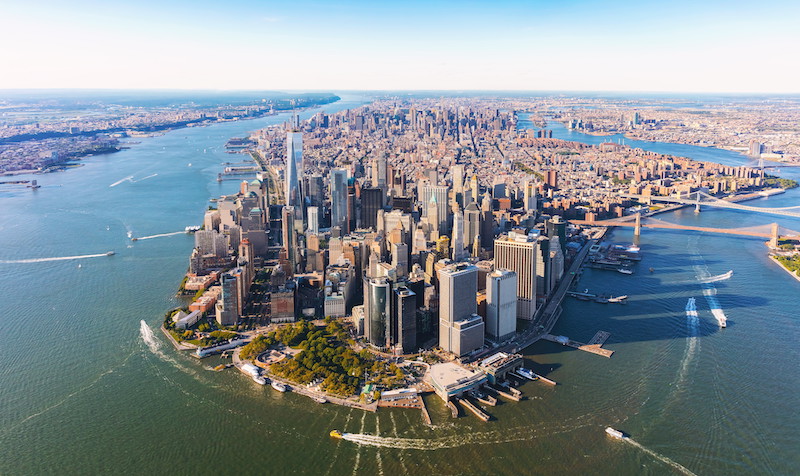
An aerial view of Lower Manhattan. New York City’s unique real estate market relies on both OneKey® MLS and REBNY’s Residential Listing Service (RLS), which serve different purposes and market areas.
Brian Phillips | The Mobile Broker | New York City Real Estate Advisor and Housing Market Commentator