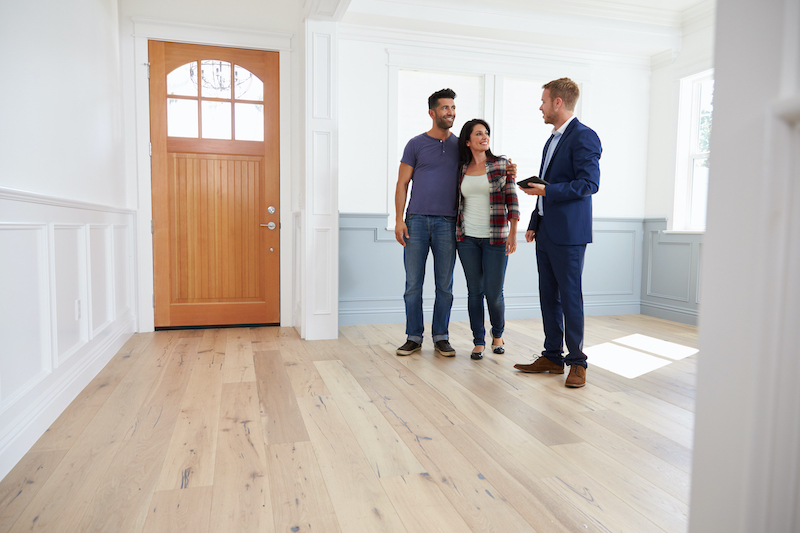
Buying or selling a home in New York City? The final walk through checklist is one of the most important steps before closing.
The final walk through is not merely a formality. It is the buyer’s last opportunity to confirm the property is in the agreed condition before closing. It also allows sellers to verify they have fulfilled their contractual obligations.
Skipping or rushing through the final walk through can lead to unexpected issues after closing such as unfinished repairs, missing appliances, or damage that occurred during move out.
Whether you are buying or selling a home, this final walk through checklist for buyers and sellers will help ensure that everything is in order before the closing table.
What Is a Final Walk-Through in Real Estate?
A final walk through is a buyer’s final inspection of the property before closing on a home.
The purpose is to confirm that:
• The property is in the same condition as when the contract was signed
• Agreed repairs have been completed
• Appliances and systems are working properly
• The home is empty and ready for transfer
In New York City real estate transactions, the final walk through usually occurs within 24 hours before closing, although timing may vary depending on the contract.
Final Walk-Through Checklist for Buyers
Buyers should approach the final walk through carefully and methodically. Bring your contract, inspection report, and a written checklist to ensure nothing is overlooked.
1. Timing and Tools
Schedule the final walk through shortly before closing, typically within 24 hours.
Bring the following items:
• A printed final walk through checklist
• Your contract of sale
• Inspection summaries
• A notepad or smartphone for documenting issues
Photos and video documentation can be helpful if problems arise.
2. Check the General Condition of the Property
Confirm the property has been left in the expected condition.
Look for:
• Cleanliness throughout the home
• Removal of all personal belongings unless otherwise agreed
• No new damage to walls, floors, or fixtures
The home should be in the same condition it was in when the contract was signed.
3. Verify Completed Repairs
If repairs were negotiated after the inspection, confirm they were completed properly.
Check that:
• All agreed repairs have been completed
• Work appears professional and functional
• Receipts or warranties are provided when applicable
If repairs appear incomplete, notify your attorney immediately before closing.
4. Test Appliances and Major Systems
Turn on all appliances and systems to confirm they are functioning.
Check the following:
• Refrigerator
• Oven and stove
• Dishwasher
• Washer and dryer
• Heating system
• Air conditioning
Ask for manuals and warranties when available.
5. Inspect Windows and Doors
Open and close every window and door.
Confirm that:
• Windows open and close smoothly
• Doors latch properly
• Locks and security features function correctly
6. Test Electrical Fixtures
Check that electrical systems work properly.
Test:
• Light switches and fixtures
• Electrical outlets
• Ceiling fans
• Bathroom ventilation fans
Using a small appliance or outlet tester can help verify outlets.
7. Check Plumbing
Run water in every sink, tub, and shower.
Look for:
• Leaks under sinks
• Slow drainage
• Running toilets
• Water pressure issues
Also confirm the hot water heater is working properly.
8. Inspect Exterior Areas
If the property includes outdoor space, inspect it carefully.
Look at:
• Landscaping condition
• Decks and patios
• Storage sheds
• Fences and gates
Ensure there are no new issues since the contract was signed.
9. Confirm Utilities
Make sure utilities are active and ready to transfer.
Confirm that:
• Electricity is on
• Water service is active
• Gas service is operational
After closing, these services will typically transfer to the buyer.
Final Walk-Through Checklist for Sellers
Sellers also benefit from preparing carefully for the final walk through. Doing so helps avoid delays, escrow holdbacks, or disputes at closing.
1. Complete All Repairs
Ensure that all agreed repairs have been completed.
Provide documentation such as:
• Repair receipts
• Contractor invoices
• Warranty paperwork
Keeping organized records can help prevent last minute questions.
2. Prepare the Property
Before the final walk through:
• Remove all personal belongings
• Clean the home thoroughly
• Patch minor wall damage if necessary
A clean and empty property helps create a smooth transition for the buyer.
3. Check Electrical Fixtures and Appliances
Verify that:
• Light bulbs are working
• Appliances operate properly
• Electrical outlets function correctly
Replacing inexpensive items such as burnt out bulbs can prevent unnecessary concerns.
4. Test Security Systems and Locks
Ensure that all security systems are functioning properly.
Provide the buyer with:
• Alarm codes
• Key fobs
• Intercom instructions
• Security system manuals
This step is especially important in many New York City apartment buildings.
5. Verify Plumbing and Mechanical Systems
Test plumbing fixtures throughout the home.
Confirm that:
• Faucets do not leak
• Toilets flush properly
• Appliances connected to water are functioning
Check the water heater and other mechanical systems for proper operation.
6. Remove Trash and Debris
Before the final walk through, remove:
• Trash
• Moving debris
• Unwanted furniture
Leaving the property clean helps avoid disputes at closing.
7. Prepare Keys and Access Information
Gather all items the buyer will need after closing.
These may include:
• Door keys
• Mailbox keys
• Garage openers
• Building access fobs
• Security system instructions
8. Provide Manuals and Warranties
Leave documentation for appliances and systems including:
• Owner manuals
• Warranty information
• Maintenance records
This helps the buyer manage the property going forward.
Why the Final Walk-Through Matters
The final walk through is one of the most important safeguards in a real estate transaction.
For buyers, it ensures the property meets the agreed conditions. For sellers, it confirms that all obligations have been fulfilled before closing.
If problems are discovered during the final walk through, they can often be addressed before closing or negotiated through escrow adjustments.
Taking this step seriously helps prevent misunderstandings and ensures a smoother transaction for everyone involved.
Final Thoughts
The final walk through may seem like a routine step, but it is a critical moment in the home buying and selling process.
Buyers should carefully inspect the property and immediately report any concerns to their attorney or real estate agent. Sellers should ensure the property is clean, empty, and in the agreed condition before closing.
Being thorough during the final walk through helps avoid last minute surprises and allows both parties to move forward with confidence.
If you are buying or selling a home in New York City and have questions about preparing for your final walk through, working with an experienced real estate professional can help ensure a smooth and successful closing.