
📍How are historic districts and property values connected, and does landmark designation increase a home’s value or make ownership more complicated?
It’s a question I hear regularly from buyers, sellers, and homeowners throughout New York City. Some view landmark designation as one of the best ways to preserve neighborhood character and protect long term investment. Others immediately think about renovation approvals, additional costs, project delays, or restrictions on what they can and cannot change.The truth is more nuanced.
The relationship between historic districts and property values extends well beyond preservation rules. Buyer demand, architectural character, neighborhood identity, scarcity, thoughtful renovations, and broader market conditions all influence how these properties perform. Landmark designation is certainly part of the conversation, but it is only one factor that contributes to a property’s value.
Throughout my career, I’ve represented buyers and sellers in several of New York City’s historic neighborhoods. One thing has become increasingly clear. Buyers are rarely evaluating a home based solely on square footage or the newest finishes. They’re often investing in something much less tangible: architectural character, authenticity, neighborhood identity, a sense of community, convenient access to daily amenities, and the confidence that the qualities attracting them today are more likely to remain intact tomorrow.
Whether you’re considering purchasing a landmark property, planning renovations, or preparing to sell, understanding the connection between historic districts and property values can help you make better informed decisions.
What To Expect
- What Are Historic Districts?
- Why Historic Districts and Property Values Are Closely Connected
- What Happens When a Neighborhood Becomes Landmarked?
- Benefits of Living in a Historic District
- Responsibilities of Landmark Homeownership
- Do Original Architectural Details Increase Value?
- What Today’s Buyers Really Want
- Renovating Without Losing Value
- Common Mistakes That Can Affect Property Values
- Frequently Asked Questions
- Key Takeaways
- Final Thoughts
What Are Historic Districts?
Historic districts are neighborhoods recognized for their architectural, historical, or cultural significance. Rather than protecting a single building, these designations help preserve the overall character of an entire streetscape by encouraging changes that respect the neighborhood’s architectural heritage.
In New York City, locally designated historic districts are regulated by the New York City Landmarks Preservation Commission (LPC). Depending on the scope of a project, many exterior alterations visible from a public street require review before work begins. The objective is not to prevent change, but to guide it thoughtfully so neighborhoods retain the features that make them distinctive.
This distinction is important because landmark designation is often misunderstood.
Many homeowners assume that living in a historic district means they cannot renovate their property. In reality, many interior improvements can proceed without LPC approval, while exterior projects typically receive greater scrutiny. Understanding the review process before beginning work can save homeowners time, money, and unnecessary frustration.
Some of New York City’s best known historic districts include:
- Brooklyn Heights
- Greenwich Village
- SoHo
- Tribeca
- Park Slope
- Hamilton Heights
- Mount Morris Park
- Crown Heights North
- Jumel Terrace Historic District
Although each neighborhood reflects a different period of New York City’s development, they all share one defining characteristic: a strong sense of place. Their architecture, streetscapes, and history create environments that continue to attract buyers looking for something that cannot easily be replicated.
This enduring appeal helps explain why historic districts and property values continue to be closely linked in many real estate markets.
If you’re unfamiliar with landmark designation or the Landmarks Preservation Commission approval process, I previously wrote a detailed guide entitled NYC LANDMARK PROPERTIES: HISTORIC DESIGNATIONS, RENOVATIONS & LANDMARK RULES .
Why Historic Districts and Property Values Are Closly Connected
When discussing historic districts and property values, architecture often receives most of the attention. Original brownstone façades, ornate woodwork, decorative fireplaces, and tree lined streets certainly contribute to a neighborhood’s appeal. Yet one of the strongest drivers of value is something less visible: predictability.
Cities are constantly evolving. Buildings are renovated, properties are redeveloped, and new construction can transform the appearance of an entire block within a relatively short period of time. Historic districts provide buyers with greater confidence that future changes will occur within a framework intended to preserve the neighborhood’s architectural character.
That confidence matters.
A buyer who falls in love with a beautifully preserved block wants reassurance that its defining features are unlikely to disappear a few years later. Knowing that neighboring buildings are subject to similar preservation standards often creates greater confidence in the long term appeal of the neighborhood.
Scarcity also plays an important role.
Unlike newly constructed condominium developments that can add hundreds of residences to the market, historic homes are finite. There will never be another generation of nineteenth century brownstones or early twentieth century limestone townhouses built in the same way. Their limited supply contributes to their desirability and often strengthens buyer interest over time.
Another factor influencing historic districts and property values is neighborhood identity. Buyers increasingly seek communities with distinctive architecture, walkable streets, local businesses, and a sense of authenticity that cannot easily be manufactured. Historic neighborhoods frequently offer all of these qualities, creating an emotional connection that extends beyond the home itself.
Several characteristics contribute to the long term appeal of these neighborhoods:
- Architectural integrity
- Limited housing supply
- Established neighborhood identity
- Walkability
- Mature streetscapes
- Preservation of original craftsmanship
- Confidence in future neighborhood character
- Consistent buyer demand
Landmark designation alone does not guarantee appreciation. Interest rates, inventory, economic conditions, employment trends, and local market dynamics all continue to influence home values. Even so, preservation standards often reinforce the qualities that buyers find most attractive, helping explain why these neighborhoods remain among the city’s most sought after places to live.
What Happens When a Neighborhood Becomes Landmarked?
When a neighborhood receives landmark designation, reactions among homeowners are rarely unanimous.
Some welcome the designation as recognition of the neighborhood’s architectural significance and believe it will help protect the area’s character for future generations. Others immediately begin wondering how the decision will affect future renovations, maintenance projects, and resale value.
Both perspectives are understandable.
Landmark designation brings meaningful benefits, but it also introduces additional responsibilities. Appreciating both sides of that equation is essential to understanding the relationship between historic districts and property values.
For many buyers, designation represents stability. They value the knowledge that neighboring buildings are less likely to undergo dramatic alterations that could fundamentally change the appearance of the block. This sense of continuity often strengthens buyer confidence and contributes to long term demand.
Landmark designation offers several important benefits. It helps preserve the architectural character that gives a neighborhood its identity, protects historically significant buildings from incompatible alterations, and encourages renovations that respect the original design and craftsmanship of the property. By providing a framework for thoughtful preservation and guiding new development, designation also helps maintain the visual continuity that many buyers find appealing. Over time, these qualities can strengthen neighborhood identity, reinforce buyer confidence, and contribute to sustained demand.
Equally important, landmark designation reminds homeowners that they are caring for more than an individual property. They are helping preserve a neighborhood’s architectural legacy for future generations. That shared responsibility is one of the reasons so many historic districts continue to distinguish themselves in New York City’s real estate market.
Benefits of Living in a Historic District
One of the greatest advantages of owning a home in a historic district is the opportunity to live in a neighborhood with a well established identity. These communities often reflect decades, and in many cases more than a century, of architectural evolution, thoughtful planning, and preservation. Walking along blocks lined with brownstones, limestone townhouses, or beautifully restored apartment buildings creates a sense of continuity that many buyers find appealing.
That appeal extends well beyond aesthetics. Buyers are often attracted to neighborhoods where the architectural character has been preserved, local businesses have become part of the community’s identity, and streetscapes have changed gradually rather than dramatically. While every purchaser has different priorities, many are willing to pay a premium for the confidence that the neighborhood they enjoy today is more likely to retain its distinctive appearance in the years ahead.
Scarcity also contributes to long term demand. Unlike newly constructed developments that can introduce hundreds of additional residences to the market, landmark properties are finite. Every preserved brownstone, townhouse, or historic apartment building represents a limited opportunity for ownership. As a result, the relationship between historic districts and property values is influenced not only by architecture but also by supply, demand, and the enduring appeal of neighborhoods that offer something increasingly difficult to recreate.
The Responsibilities That Come With Landmark Homeownership
The same preservation standards that help maintain neighborhood character also require property owners to approach renovations with greater planning and care. Owning a landmark property is not simply about maintaining a home. It also involves understanding how individual improvements contribute to preserving the broader architectural identity of the neighborhood.
Many exterior projects require review before construction begins. Depending on the scope of the work, homeowners may need approval before replacing windows, modifying masonry, installing a new front door, or making other visible exterior changes. Although some owners initially view this process as an inconvenience, it exists to ensure that renovations complement the property’s historic character rather than diminish it.
Over the years, I have spoken with homeowners who were surprised to learn that work completed without the necessary approvals resulted in violations or delays. In many cases, these situations could have been avoided through careful planning and consultation before construction began. Understanding the requirements early often saves considerable time, expense, and frustration while helping preserve the qualities that continue to support buyer confidence.
Rather than viewing landmark regulations solely as restrictions, it may be more helpful to think of them as shared responsibilities. Every owner plays a role in preserving the architectural legacy that contributes to the neighborhood’s identity and, ultimately, to the continued strength of historic districts and property values.
How Original Details Influence Historic Districts and Property Values
Among the questions buyers and sellers ask most frequently is whether original architectural details actually increase a property’s value. Although there is no universal answer, these features often play an important role in how buyers perceive both quality and authenticity.
Historic homes frequently include craftsmanship that would be difficult or prohibitively expensive to reproduce today. Decorative plaster moldings, hand carved staircases, original hardwood flooring, pocket doors, stained glass, ceiling medallions, decorative fireplaces, and carefully detailed millwork contribute to a home’s character in ways that extend beyond simple aesthetics. These are often the features that create an emotional connection the moment someone walks through the front door.
At the same time, original details alone are rarely enough to maximize buyer interest. Expectations have evolved, and most purchasers want homes that combine architectural character with the conveniences of modern living. Updated kitchens, renovated bathrooms, reliable mechanical systems, efficient heating and cooling, and thoughtfully integrated technology have become equally important considerations.
In my experience representing historic properties throughout New York City, the homes that consistently attract the strongest interest are rarely those that have been left completely untouched or those that have been entirely stripped of their original character. Instead, buyers often gravitate toward properties where historic craftsmanship has been preserved while modern improvements have been incorporated in ways that respect the home’s architectural integrity.
Buyer Preferences and Historic Districts and Property Values
Today’s buyers are increasingly looking for authenticity without sacrificing comfort. While original details remain highly desirable, they also expect homes to support contemporary lifestyles. Functionality, efficiency, and thoughtful design frequently influence purchasing decisions just as much as decorative features.
This balance has become one of the defining characteristics of successful renovations within historic districts. Buyers appreciate homes where the original staircase remains intact, the decorative moldings have been restored, and the hardwood floors have been refinished. At the same time, they want kitchens that function well, bathrooms that meet modern expectations, and mechanical systems that provide comfort throughout the year.
One of the biggest misconceptions is that buyers must choose between historic charm and modern convenience. In reality, many are looking for both. They appreciate homes that acknowledge their history without feeling frozen in time. When renovations are completed thoughtfully, they often enhance the property’s appeal while reinforcing the relationship between historic districts and property values.
Another consideration that is sometimes overlooked is emotion. Purchasing a home is rarely based solely on numbers. Buyers often form lasting impressions within moments of entering a property. A beautifully restored fireplace, an elegant staircase, or the craftsmanship of original woodwork can create a connection that is difficult to measure but frequently influences purchasing decisions.
Renovating Without Losing Value
Renovation decisions have the potential to enhance a home’s appeal, but they can also diminish the qualities that make a historic property unique. One of the most common mistakes is assuming that newer automatically means better. While thoughtful modernization can improve functionality, removing original architectural details often eliminates some of the very features buyers find most compelling.
Successful renovations typically preserve the elements that cannot easily be recreated while updating the systems that support everyday living. Restoring original millwork, repairing decorative plaster, refinishing hardwood floors, and preserving historic doors often complement improvements such as new kitchens, updated bathrooms, modern electrical service, and efficient heating and cooling.
Equally important is selecting materials and finishes that respect the home’s architectural style. Renovations that feel consistent with the property’s design tend to age more gracefully and are often better received by buyers than projects that introduce features that appear out of place.
Historic homes continue to evolve, and they should. The goal is not to preserve them exactly as they were decades ago, but to allow them to meet the needs of today’s homeowners while retaining the craftsmanship and architectural character that distinguish them from newer construction. Achieving that balance is often one of the most important contributors to long term value and helps explain the enduring relationship between historic districts and property values.
Common Mistakes That Can Affect Historic Districts and Property Values
Owning a home in a historic district presents unique opportunities, but it also requires thoughtful decision making. Some of the choices that seem beneficial in the short term can unintentionally reduce a property’s appeal or complicate a future sale.
One of the most common mistakes is removing original architectural features in favor of contemporary finishes that could be found in almost any home. Decorative moldings, fireplaces, original staircases, hardwood flooring, and historic millwork often distinguish one property from another. Once these elements are removed, they can be difficult and expensive to replace, and the home may lose some of the character that originally attracted buyers.
Another mistake is beginning exterior work without first understanding whether approvals are required. Projects completed without the appropriate review can lead to delays, additional costs, or violations that may need to be resolved before a sale or refinance can move forward. As I discussed in my earlier article about landmark properties, understanding the approval process before work begins can help homeowners avoid unnecessary complications.
Pricing also deserves careful consideration. Historic homes should be compared with properties that share similar architectural characteristics, condition, location, and level of preservation. Relying on sales from substantially different neighborhoods or newer construction can produce unrealistic expectations and ultimately extend the time a property remains on the market.
Perhaps the most overlooked mistake is assuming that every renovation increases value. Buyers appreciate thoughtful improvements, but they also recognize authenticity. The renovations that tend to resonate most are those that respect the home’s original character while improving comfort, efficiency, and everyday functionality.
Frequently Asked Questions About Historic Districts and Property Values
Do homes in historic districts typically sell for more?
There is no universal answer because every neighborhood and property is different. However, homes located in well established historic districts often benefit from strong buyer demand, limited supply, and architectural distinction. These characteristics can contribute to pricing that compares favorably with similar properties outside designated districts, although broader market conditions always remain an important factor.
Does landmark designation automatically increase property values?
No. Landmark designation alone does not guarantee appreciation. Interest rates, inventory, location, property condition, renovation quality, and overall market conditions continue to influence value. Preservation standards may strengthen buyer confidence, but they are only one element that contributes to pricing.
Are landmark properties more difficult to sell?
Not necessarily. In many cases they appeal to buyers specifically seeking architectural character and neighborhood authenticity. Success often depends on proper pricing, effective marketing, and helping prospective purchasers understand both the benefits and responsibilities of ownership.
Do buyers prefer original details or renovated interiors?
In my experience, most buyers prefer a thoughtful balance of both. Original architectural features often create the emotional connection that attracts buyers, while updated kitchens, bathrooms, and building systems provide the functionality they expect for everyday living.
Can I renovate a landmark property?
Yes. Many renovations are possible, although certain exterior changes may require review by the New York City Landmarks Preservation Commission before work begins. Planning ahead and working with experienced professionals can help make the process more efficient.
Key Takeaways
Historic districts continue to attract buyers because they offer qualities that are increasingly difficult to recreate, including distinctive architecture, cohesive streetscapes, and a strong sense of place.
Landmark designation helps preserve neighborhood character, but it also introduces additional responsibilities that homeowners should understand before beginning exterior renovations.
Original architectural details remain highly desirable, particularly when they are complemented by modern kitchens, updated bathrooms, and reliable building systems.
The strongest buyer demand often comes from homes that successfully blend historic craftsmanship with contemporary comfort rather than emphasizing one at the expense of the other.
Although landmark designation does not guarantee appreciation, the combination of limited supply, architectural integrity, and consistent buyer interest helps explain the enduring relationship between historic districts and property values.
Final Thoughts
New York City’s historic districts tell the story of the city’s architectural, cultural, and economic evolution. Their brownstones, limestone townhouses, apartment buildings, and carefully preserved streetscapes provide a tangible connection to the generations that shaped the neighborhoods we know today.
Owning a home in one of these neighborhoods means more than simply purchasing real estate. It means becoming part of a community that values craftsmanship, preservation, and thoughtful stewardship. While landmark designation introduces additional considerations for renovations and maintenance, it also helps protect many of the qualities that continue to attract buyers and distinguish these neighborhoods from newer development.
The relationship between historic districts and property values cannot be explained by landmark designation alone. It reflects the combined influence of architectural character, buyer demand, neighborhood identity, careful preservation, thoughtful modernization, and broader market conditions. Understanding how these factors work together can help buyers, sellers, and homeowners make more informed decisions while preserving the qualities that make these neighborhoods so enduring.
📚 MORE SOURCES & FURTHER READING
For readers interested in learning more about landmark designation, historic preservation, and the relationship between historic districts and property values, the following resources provide additional information.
- NYC LANDMARK PROPERTIES: HISTORIC DESIGNATIONS, RENOVATIONS & LANDMARK RULES (2026 GUIDE)
- How NYC Historic Landmarks Are Finding New Life
Government Resources
- New York City Landmarks Preservation Commission (LPC)
- LPC Rules, Applications, and Property Owner Guides
- New York State Historic Preservation Office
- National Park Service Historic Preservation Program
Research and Preservation Organizations
📩 THINKING ABOUT BUYING, SELLING, RENOVATING, OR OWNING A PROPERTY IN A HISTORIC DISTRICT?
Whether you’re purchasing your first brownstone, preparing to sell a landmark property, planning renovations, or simply exploring the responsibilities of owning a home in one of New York City’s historic neighborhoods, understanding how historic districts and property values intersect can help you make more informed decisions.
Every property and every neighborhood present unique opportunities and considerations. Architectural character, preservation requirements, renovation plans, buyer demand, market conditions, and long term ownership goals all play a role in shaping value and influencing strategy.
If you’re considering buying, selling, renovating, investing in, or inheriting a property located in a historic district, I’d be happy to discuss your goals and help you better understand the opportunities and responsibilities that come with owning one of these remarkable homes. A conversation before making an important decision can often save both time and unnecessary expense.
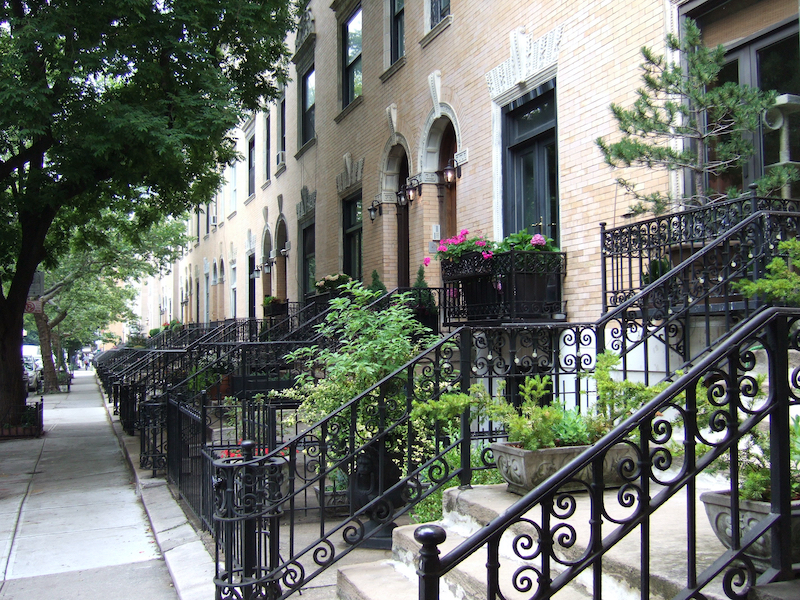
Harlem, NY, USA – June 13, 2018 : A line of 19th century yellow brick townhouses with Juliet balconies in historic Strivers’ Row in Harlem

Brian Phillips | The Mobile Broker | New York City Real Estate Advisor and Housing Market Commentator