
Updated May 23rd 2026
Highlights
City of Yes NYC (Dec. 2024)
A major citywide zoning reform projected to help create roughly 82,000 new housing units over 15 years while modernizing decades-old development rules across New York City.
Midtown South Mixed-Use Plan (Aug. 2025)
More than 42 blocks in Midtown South are now being opened to residential development and office conversions, with city estimates projecting nearly 10,000 potential new homes.
Office-to-Residential Conversions
Older office towers are increasingly becoming part of New York City’s long-term housing strategy as remote and hybrid work continue reshaping demand for office space.
Affordability and Financing
Major questions remain about whether new housing supply, tax incentives, and affordability requirements will truly help working- and middle-class New Yorkers.
The Political Future of Housing
The long-term impact of these reforms will depend heavily on future city and state leadership, financing conditions, and public support.
🏙️👷🏾♂️🏢 How City of Yes NYC Could Reshape Housing
New York City is attempting something it has not seriously tried in decades: making it easier to build housing across large parts of the city while addressing rising rents, office vacancies, and affordability pressures.
Why NYC’s Housing Strategy Is Changing
City of Yes NYC reforms could reshape how housing is built across New York City as officials push zoning changes, office conversions, and new development to address affordability pressures and housing shortages.
Between the approval of City of Yes NYC and the Midtown South Mixed-Use Plan, the city is moving away from relying mostly on isolated megaprojects and toward a broader housing strategy focused on:
- office-to-residential conversions
- adaptive reuse of older buildings
- incremental neighborhood growth
- zoning changes across multiple communities
For years, New York’s housing shortage has collided with:
- rising rents
- low apartment vacancy rates
- aging infrastructure
- high construction costs
- political resistance to density and development
Now, city officials are trying to address those pressures through zoning reform, redevelopment incentives, and office conversions.
Supporters believe these changes could help unlock tens of thousands of new homes across all five boroughs. Critics worry that without stronger affordability protections and financing tools, much of the new housing could still remain financially out of reach for many New Yorkers.
Either way, the scale of change underway is significant.
What Is “City of Yes NYC” and What Actually Changed?
On Dec. 5, 2024, the New York City Council approved City of Yes: Zoning for Housing Opportunity, marking the city’s first major citywide zoning overhaul in decades.
The basic goal is straightforward:
Make it easier to build more housing in more neighborhoods across New York City.
For many developers and property owners, outdated zoning rules often made even modest projects financially difficult before construction ever began.
City of Yes attempts to reduce some of those barriers.
Key Changes Under City of Yes NYC
Parking Requirements Were Relaxed
Mandatory parking minimums were reduced in many neighborhoods, especially near public transit. Structured parking is extremely expensive to build in New York City and can significantly increase the cost of new housing projects.
Why this matters
Supporters argue parking requirements often made smaller housing projects too expensive or physically impossible to build. Structured parking is extremely expensive to build in New York City and can significantly increase the cost of new housing projects.
Reducing those mandates may:
- lower construction costs
- create more housing opportunities on small lots
- encourage transit-oriented development
Building Height and Bulk Rules Were Modernized
The city updated certain zoning rules involving:
- height
- density
- floor area distribution
- building flexibility
Why this matters
Older zoning rules sometimes prevented buildings from being designed efficiently for modern housing needs. These updates are intended to give architects and developers more flexibility.
Accessory Dwelling Units and Small Additions Expanded
City of Yes also expands opportunities for:
- basement apartments
- backyard cottages
- accessory dwelling units (ADUs)
- modest residential additions
Why this matters
Instead of relying only on massive developments, the city is also trying to encourage smaller-scale housing growth spread across multiple neighborhoods.
Transition Rules Still Matter
Projects filed before Dec. 5, 2024 may still proceed under older zoning rules if approved by the Department of Buildings before Dec. 5, 2025.
Why developers care
Many projects already underway before City of Yes passed were designed around older rules, financing assumptions, and feasibility studies.
That transition period remains important for:
- lenders
- architects
- developers
- property owners
Why These Changes Matter
For decades, many housing advocates argued New York City simply was not building enough housing to keep up with demand.
City of Yes is designed to encourage:
- more housing production
- more flexible development
- more growth outside traditional rezoning districts
Instead of concentrating development in only a handful of neighborhoods, the reforms attempt to spread housing growth more broadly across the city.
Still, the scale of the shortage remains enormous.
While City of Yes NYC is projected to help create roughly 82,000 housing units over 15 years, many housing experts estimate New York City may ultimately need hundreds of thousands of additional homes to meaningfully stabilize affordability pressures.
This also places New York closer to reforms already seen in cities such as:
- Minneapolis, which eliminated single-family-only zoning in 2018
- Portland, which expanded duplex and fourplex development opportunities
Midtown South Rezoning: From Office District to Residential Neighborhood
On Aug. 14, 2025, New York City approved the Midtown South Mixed-Use Plan following review by the Department of City Planning.
For the first time in decades, large portions of this office and manufacturing corridor will now permit residential development.
City estimates project the rezoning could eventually help create nearly 10,000 homes through:
- office conversions
- mixed-use development
- new residential construction
The Midtown South rezoning is one of the clearest examples of how City of Yes NYC policies are encouraging more housing and adaptive reuse.
Why Midtown South Is So Important
A Transit-Rich Location
Midtown South sits near:
- Penn Station
- Herald Square
- Madison Square Park
- multiple subway lines
- regional rail access
Why this matters
Adding housing close to major employment centers could:
- reduce commute times
- support neighborhood retail
- create more active streets beyond business hours
- strengthen long-term neighborhood activity
Office Conversion Potential
Many older office buildings in Midtown South have struggled since the pandemic due to:
- hybrid work
- remote work
- elevated office vacancies
Older Class B and C office buildings, meaning less competitive and often aging office towers, are increasingly being considered for residential conversion.
Projects like the massive conversion at 25 Water Street demonstrate how outdated office towers may eventually become thousands of apartments.
Revitalizing Business Districts
Supporters believe office conversions could help:
- increase foot traffic
- support local restaurants and retail
- improve nighttime activity
- stabilize struggling commercial corridors
This mirrors changes seen in Downtown Brooklyn after the 2004 rezoning, which transformed parts of the area from primarily office space into one of the city’s fastest-growing residential neighborhoods.
Why Office Conversions Are So Difficult
Even with zoning changes, office conversions remain expensive and complicated.
Developers still face:
- high interest rates
- elevated labor costs
- rising insurance expenses
- financing uncertainty
- complex building code requirements
- affordability mandates
Many older office buildings were never designed for residential living, making conversions technically challenging.
Some older office towers have deep floor layouts, limited operable windows, aging mechanical systems, or large interior spaces that do not naturally fit residential apartments. As a result, converting an office building into housing can sometimes be almost as expensive as constructing a new building from the ground up.
Why Tax Incentives Are Being Debated
Albany lawmakers continue debating tax incentive programs such as:
- 485-x
- 467-m
These programs are intended to encourage office-to-residential redevelopment.
Supporters argue these incentives are necessary because many projects simply do not work financially without assistance.
Critics argue tax abatements can reduce public revenue unless affordability requirements are strengthened.
Without some form of financial support, many developers believe large-scale office conversions remain financially difficult.
Office Conversions Are Now Central to NYC’s Housing Strategy
Office conversions are no longer viewed as niche redevelopment projects.
They are increasingly becoming a major part of how New York City hopes to address:
- office vacancies
- housing shortages
- changing workplace trends
- underutilized business districts
With Manhattan office vacancy rates still elevated years after the pandemic, conversions are increasingly viewed as both:
- a housing solution
- an economic development strategy
Public Safety, Politics and Housing
Housing debates in New York City often overlap with broader conversations about:
- public safety
- quality of life
- neighborhood change
The city’s 2019 bail reform law remains politically divisive, and some critics connect crime concerns to broader worries about density and development.
At the same time, many researchers and policy experts point to a much wider set of factors influencing crime trends, including:
- pandemic disruption
- court backlogs
- policing levels
- economic stress
- social service gaps
While housing policy and criminal justice policy are separate issues, public perceptions of safety can strongly influence support for rezonings and new development.
The Political Future of NYC Housing
Future city and state leadership will likely determine how aggressively these reforms move forward.
While many policymakers agree New York City needs more housing, major disagreements remain over:
- housing density
- affordability mandates
- office conversion incentives
- tax abatements
- rent stabilization
- neighborhood growth strategies
The long-term success of City of Yes NYC and Midtown South will depend not only on zoning approvals, but also on:
- financing
- infrastructure investment
- political support
- construction economics
- community trust
What This Could Mean for New Yorkers
Renters
Additional housing supply could gradually help moderate rent growth over time, particularly if a meaningful share of the new housing includes affordability requirements.
However, construction timelines, financing challenges, and continued housing demand may limit how quickly renters feel relief.
Property Owners
City of Yes may create new opportunities for redevelopment, building enlargements, accessory housing, and office conversions on properties that were previously constrained by older zoning rules.
In some cases, these changes could increase land values or create new long-term income opportunities for owners.
Investors and Developers
Midtown South may represent one of New York City’s largest adaptive reuse opportunities in decades.
At the same time, high financing costs, construction expenses, political uncertainty, and affordability requirements remain major considerations for developers evaluating whether projects are financially viable.
Neighborhoods
Areas near transit hubs and aging commercial corridors could experience substantial long-term change as office buildings convert into housing and residential density continues increasing.
Over time, this could reshape:
- retail activity
- commuting patterns
- neighborhood nightlife
- local business activity
- the overall character of certain communities
Frequently Asked Questions
How soon can Midtown South office conversions begin?
Now that the rezoning has been approved, developers can begin filing projects. However, conversions still require:
- financing
- design work
- lender approvals
- code compliance
- construction planning
Many projects could still take years before apartments are delivered.
Will rents actually go down?
Not immediately.
Housing takes time to build. While additional supply may help moderate rent growth over time, affordability will still depend on:
- construction costs
- interest rates
- demand
- wage growth
- financing conditions
Why is everyone suddenly talking about office conversions?
New York City is simultaneously dealing with:
- elevated office vacancies
- a severe housing shortage
Conversions are increasingly viewed as a potential way to address both problems at the same time.
What neighborhoods could see the biggest changes?
Areas near major transit infrastructure and aging office stock could experience some of the largest impacts, including:
- Midtown South
- Downtown Brooklyn
- Long Island City
- other mixed-use commercial corridors
Final Thoughts
New York City appears to be entering a new era of housing policy.
Between City of Yes NYC, Midtown South rezoning, and the growing push toward office-to-residential conversions, the city is attempting to address affordability, office vacancies, and long-term growth through zoning modernization and adaptive reuse.
Whether these reforms ultimately succeed will depend on:
- financing
- political leadership
- construction economics
- infrastructure
- community trust
- affordability outcomes
For renters, buyers, property owners, developers, and investors alike, the outcome could reshape how New Yorkers live, work, commute, invest, and experience neighborhoods for decades to come.
Whether City of Yes NYC ultimately succeeds will depend on financing, political leadership, infrastructure, and affordability outcomes.
If you’re considering buying, selling, investing, or developing property in New York City, feel free to reach out 📩. The City of Yes NYC housing reforms, Midtown South rezoning, and growing push toward office-to-residential conversions are increasingly shaping neighborhood growth, investment patterns, housing supply, and long-term real estate demand across the city. From adaptive reuse projects to evolving mixed-use corridors, the ways New York reimagines office buildings, commercial districts, and underutilized spaces could influence affordability, development opportunities, and the future of neighborhoods for decades to come.
 SOURCE & FURTHER READING
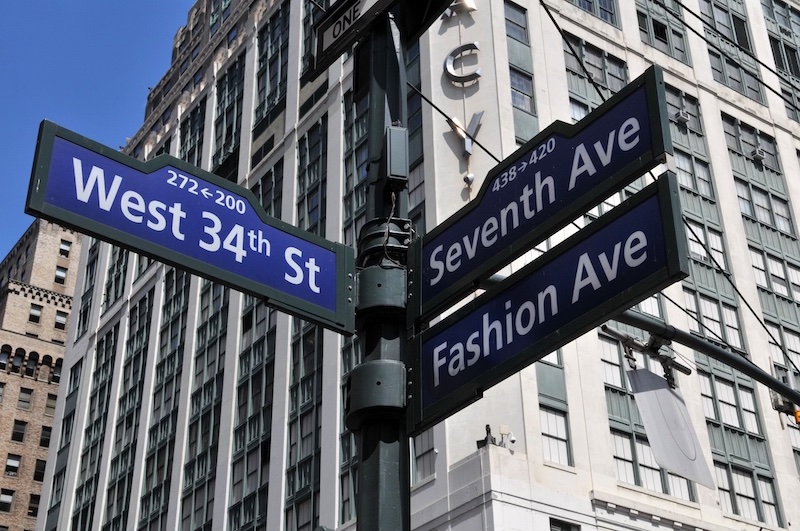
West 34th Street and Seventh Avenue in Midtown Manhattan, part of the broader Midtown South corridor where New York City is encouraging office conversions and mixed-use redevelopment through recent zoning reforms.
Brian Phillips | The Mobile Broker | New York City Real Estate Advisor and Housing Market Commentator