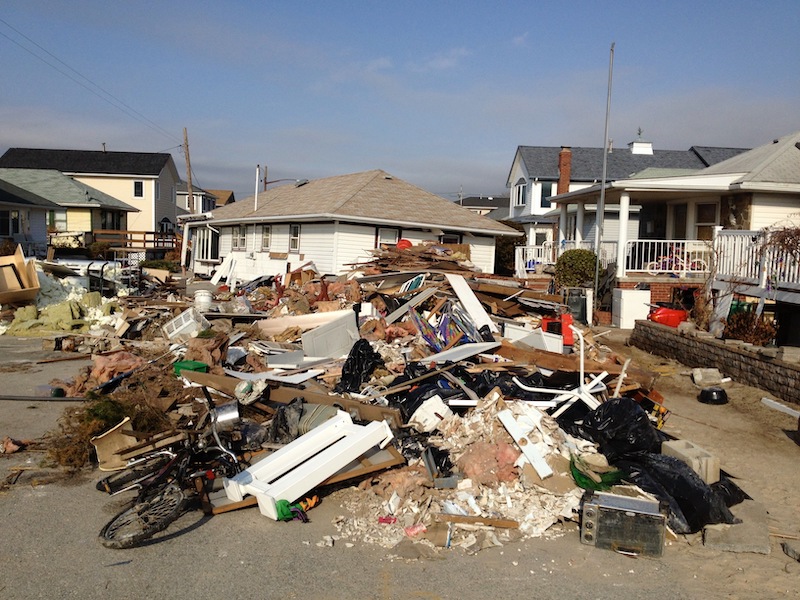
🌍 Climate change isn’t a distant concern—it’s reshaping real estate right now. With new property risk assessment standards, buyers, developers, and lenders must rethink how they evaluate assets.
Key Points: What You Need to Know
-
ASTM International has released a new Property Resilience Assessment (PRA) standard to integrate climate risk into real estate due diligence.
-
PRA evaluates threats like flooding, wildfires, extreme heat, and storm surge—hazards increasingly impacting property values and insurability.
-
Buyers must account for resilience when calculating long-term costs.
-
Developers need to integrate climate-ready design to protect projects and financing.
-
Lenders and investors are under pressure to assess climate exposure for underwriting and portfolio risk.
Why Climate Risk Is Now a Core Real Estate Issue
Real estate has always been about location, location, location—but in today’s market, resilience is just as important.
-
Coastal condos in flood zones face rising insurance costs and potential devaluation.
-
Suburban communities in wildfire-prone regions are struggling to secure affordable coverage.
-
Urban heat islands make certain properties less desirable and raise energy costs.
Recent years have shown that climate-related disasters don’t just damage property—they ripple across markets, affecting financing, insurance availability, and even resale prospects.
What Is ASTM’s Property Resilience Assessment (PRA)?
ASTM International, known for its widely adopted environmental and engineering standards, introduced the PRA framework in 2024.
PRA provides a standardized process for evaluating a property’s exposure to climate hazards during real estate due diligence. It includes:
-
Hazard identification (flood, wildfire, extreme heat, severe storms)
-
Vulnerability assessment (building materials, site elevation, infrastructure)
-
Resilience measures (existing mitigation, future upgrade needs)
-
Reporting structure that integrates into Phase I environmental assessments
This standard is designed to give buyers, lenders, and insurers a consistent baseline for assessing climate-related property risks—something that was previously fragmented.
Who Needs to Pay Attention?
Buyers
When evaluating a purchase, it’s no longer enough to ask about taxes and maintenance. Buyers must factor in:
-
Potential for higher insurance premiums
-
Costs of future retrofits (e.g., flood barriers, energy upgrades)
-
Resale value impacts if climate risk isn’t mitigated
Developers
For developers, PRA means climate risk mitigation is non-negotiable:
-
Projects in high-risk zones may face financing challenges
-
Investors and lenders increasingly demand resilience plans
-
Designing with sustainability and resilience in mind can protect long-term value
Lenders & Investors
The financial sector is under regulatory and market pressure to integrate climate risk. PRA helps them:
-
Identify portfolio exposure to at-risk properties
-
Set lending terms that account for resilience measures
-
Protect against asset devaluation linked to climate events
Benefits and Limitations
Benefits of PRA:
-
Provides a standardized, comparable framework across properties
-
Enhances transparency for buyers and lenders
-
Encourages investment in resilient design
Limitations to keep in mind:
-
PRA is voluntary—not yet mandated in every transaction
-
Models rely on climate data projections that carry uncertainty
-
Property-level nuance (unique renovations, adaptive measures) may be missed without expert review
Example Scenario
Imagine two waterfront condos listed at the same price.
-
Condo A: No resilience measures, in a FEMA high-risk flood zone, with rising insurance costs.
-
Condo B: Elevated utilities, flood-resistant construction, PRA assessment showing lower long-term risk.
Even if both condos cost $1M today, Condo B is far more attractive to lenders and buyers—and will likely hold its value better over time.
What Buyers, Developers, and Lenders Should Do Now
-
Integrate PRA into Due Diligence
Make property resilience a standard part of review alongside environmental and engineering reports.
-
Request Risk Reports Early
Buyers should ask sellers for PRA reports, and lenders should require them for financing.
-
Budget for Resilience Upgrades
Flood-proofing, fire-resistant materials, and cooling systems should be factored into ROI calculations.
-
Work With Specialists
Engage environmental engineers, resilience consultants, and insurers early in the process.
FAQs
Is PRA required by law?
Not universally. Some lenders and investors are beginning to require it, but adoption is voluntary for now.
How is PRA different from a Phase I Environmental Site Assessment?
Phase I focuses on contamination history; PRA focuses on future climate risk exposure.
Will this impact insurance premiums?
Yes, properties with better PRA scores may qualify for lower premiums or preferred coverage.
Does PRA apply only to new developments?
No. It applies to both existing and new properties—any asset can be evaluated for resilience.
Calls-to-Action
-
🌎 Buying a property? Request a PRA-integrated due diligence review. Contact us
-
🏗️ Developing in NYC or beyond? Protect your project’s value with resilience planning. Book a consultation
-
💼 Lender or investor? Let’s discuss how to integrate PRA into underwriting. Schedule a call
References
-
ASTM International – Property Resilience Assessment (PRA) Standard
-
Urban Land Institute – Climate risk and resilience in real estate
-
Insurance Institute for Business & Home Safety – Resilience research